
Why Do Boxers Ride Up? What Causes It
Posted by
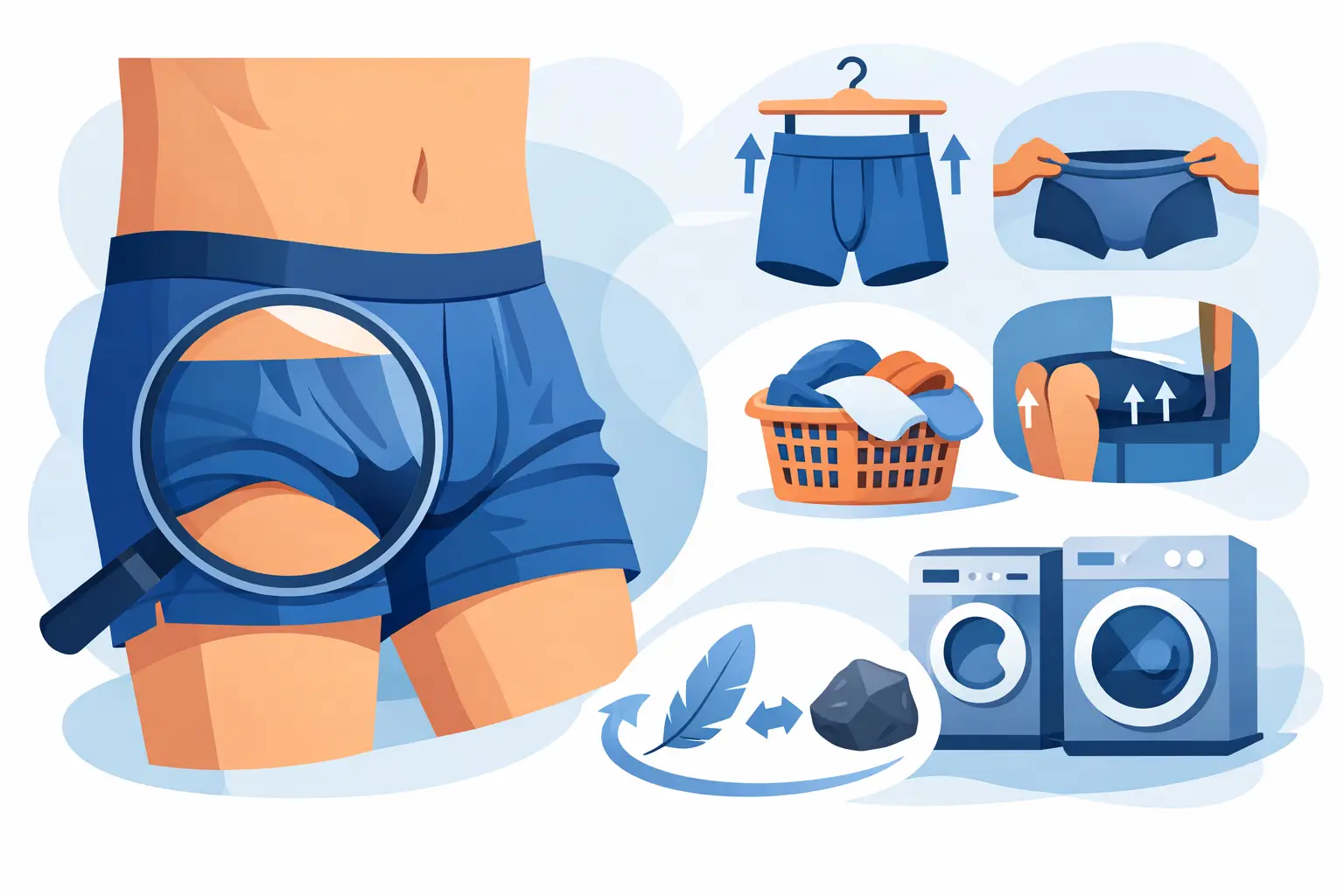
You feel it halfway through the walk to work, during a set at the gym, or after standing up from your desk for the tenth time – that fabric bunching where it should not be. If you have ever asked, why do boxers ride up, the answer is not random. It usually comes down to fit, fabric, cut, and how your body moves.
Riding up is one of the most common failures in men’s underwear, and it is not a small one. When boxers shift, they create friction, distraction, and constant adjustment. That breaks comfort fast. Good underwear should disappear once you put it on. If it keeps climbing your leg, something in the design is off.
Why do boxers ride up in the first place?
Boxers ride up when the leg opening loses its position and starts following the path of least resistance – upward. That can happen because the underwear is too loose, too tight, too short, too slick, or simply cut without enough structure to hold to the body.
Movement makes the problem worse. Walking, climbing stairs, sitting, training, and even getting in and out of a car create repeated friction between your thighs, the fabric, and your pants. If the boxer cannot maintain its shape under that pressure, it shifts. Once it starts to bunch, it usually keeps moving higher.
A lot of men assume the issue is just thigh size. That can be part of it, but it is rarely the whole story. Men with slim legs deal with ride-up too. The bigger factor is whether the boxer is engineered to move with the body instead of fighting it.
The real causes behind ride-up
The fit is too loose
Loose boxers have freedom, but not much control. When there is extra fabric through the seat or leg, that fabric has to go somewhere as you move. Usually, it bunches upward.
This is the classic problem with traditional boxers. They feel airy when you first put them on, but once you start moving, the excess fabric shifts under your pants. If your goal is stability, too much room is not comfort. It is drift.
The fit is too tight
This sounds backward, but tight underwear can ride up just as easily. If the leg opening grips too hard or the seat does not allow enough range, the boxer gets pulled by your stride. Instead of staying flat, it gets dragged upward with every step.
A tight fit can also create pressure points that make the fabric fold in on itself. That is when you get bunching at the inner thigh and a constant need to readjust.
The legs are too short
Shorter boxer cuts work for some men, but they also have less surface area to anchor the fabric. The less contact there is along the thigh, the easier it is for the leg to roll or creep upward.
This is especially noticeable if you walk a lot, train regularly, or have stronger thighs. A very short inseam can look clean, but if it cannot stay in place, the trade-off is obvious.
The fabric is wrong for the job
Fabric matters more than most men think. Cheap cotton can absorb sweat, lose shape, and bunch after a few hours. Overly slick synthetic fabric can slide too easily against your skin or pants. Stiff material may not flex enough to recover after movement.
The best boxer fabrics balance softness, stretch, and recovery. They move with the body, then return to form. That is a big reason premium modal blends perform well. They stay smooth, breathe well, and resist the sagging and twisting that often lead to ride-up.
The leg opening is poorly designed
A boxer does not stay put by accident. The leg opening has to hold tension without digging in. If it is too wide, the fabric floats and shifts. If it is too tight, it can pull upward. If the seam construction is bulky, it creates friction that encourages rolling.
This is where better pattern-making shows up. Clean leg lines, controlled stretch, and a stable opening make a major difference.
The pouch and seat are not balanced
A boxer can fail even if the legs look fine on paper. If the pouch is too shallow, the underwear gets pulled forward and upward. If the seat lacks room, the fabric gets tension from behind. Either way, the boxer starts migrating.
Support is not just about the front. It is about how the whole garment distributes tension across the body. When one area is underbuilt, another area pays for it.
Body shape matters, but it is not an excuse
Men with larger thighs, fuller glutes, or a stronger athletic build may notice ride-up more often. That is because there is more movement and more friction through the upper leg. But that does not mean discomfort is inevitable.
It means the underwear needs to be built for motion. An engineered fit with the right inseam, stretch, and recovery can make a huge difference. A lot of men have spent years blaming their body for a product problem.
The same goes for very lean builds. If the boxer is cut too wide through the leg, there is not enough contact to keep it stable. In that case, the issue is not friction. It is lack of structure.
Your outerwear can make it worse
Pants affect how underwear behaves. Slim jeans, tailored trousers, and performance shorts all create different levels of friction. If your pants are narrow through the thigh, they can push fabric upward as you move. If they are rough inside, they can grip the underwear and drag it out of place.
That does not mean you need to change your whole wardrobe. It means your underwear needs to work with what you actually wear. A boxer that survives a fitting room test but fails under real clothes is not doing its job.
How to stop boxers from riding up
Start with fit. Your boxer should sit close to the body without compression-level tightness. You want support, not squeeze. The legs should stay flat against the thigh, and the seat should feel clean without excess fabric.
Next, look at inseam length. If your current boxers ride up constantly, a slightly longer leg often helps. More coverage creates more stability. Not every man needs the longest inseam, but ultra-short cuts are usually less forgiving.
Then look at fabric quality. This is where cheap underwear gets exposed fast. Better fabric keeps its shape, handles sweat better, and recovers after movement. A premium modal-based boxer tends to feel smoother on the skin and more controlled through the day.
Construction matters too. Flat seams, a stable waistband, and a properly shaped pouch all support the fit. These details sound small until you wear underwear that gets them right. Then the difference is obvious.
If you are between sizes, do not assume sizing down will solve the problem. Sometimes it helps, but often it just creates new tension that pulls the legs upward. The smarter move is to find a better cut, not force a smaller size.
What good boxers feel like
Good boxers do not demand attention. They stay in place through the commute, the workday, a long flight, and a training session. The fabric stays smooth. The legs stay down. The waistband does not twist. You are not thinking about them because they are doing what they are supposed to do.
That standard should not feel premium only because the basics market has trained men to accept less. Underwear is the first layer. It sets the tone for everything on top of it. When it fits right, you move better, feel sharper, and stop making adjustments that break your focus.
At He.X Underwear, that is the point – clean design, premium fabric, and support built for men who move.
When it is time to replace what you own
Even a good boxer has a lifespan. If the fabric has thinned out, the legs have stretched, or the waistband has lost its hold, ride-up becomes more likely. Underwear does not need to be falling apart to be past its prime.
If you keep tugging at the same pairs week after week, take the signal. The problem may not be your body or your pants. It may be that your underwear has already given you everything it had.
The fix is rarely complicated. Better fit. Better fabric. Better construction. When those three line up, ride-up stops feeling normal – and that is exactly how it should be.

Recent articles
-
Why Do Boxers Ride Up? What Causes It
Why do boxers ride up? Learn the real causes, from poor fit to fabric and leg design, and how to choose boxers that stay put all day.
-
How to Prevent Underwear Chafing
Learn how to prevent underwear chafing with better fit, fabric, support, and daily habits that keep you dry, comfortable, and moving well.

Leave a Reply