
How to Prevent Underwear Chafing
Posted by
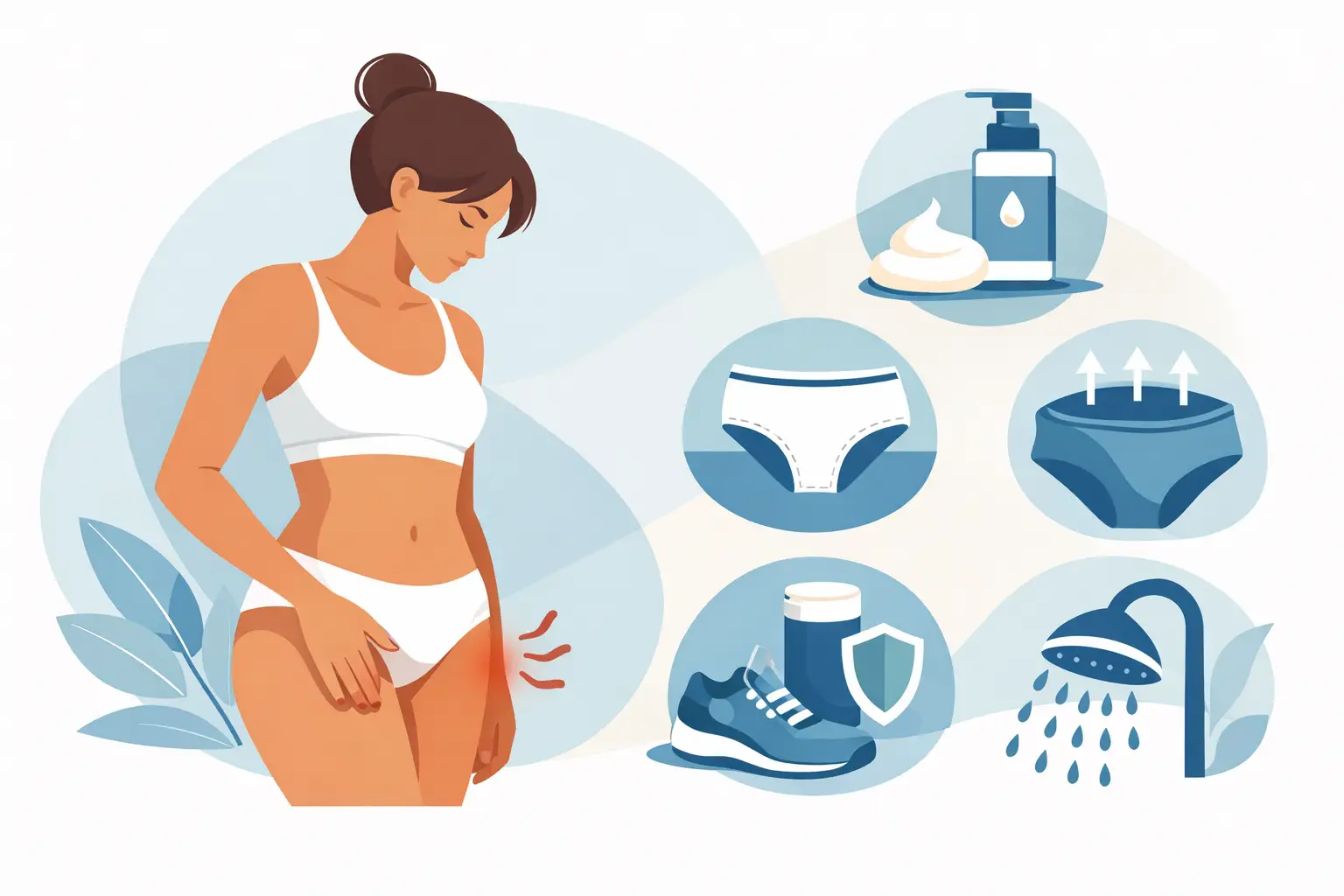
Chafing usually starts small – a little heat, a little rubbing, a little moisture – and then it ruins your whole day. If you want to know how to prevent underwear chafing, the fix is rarely one thing. It’s the combination of fit, fabric, support, and how your underwear performs once you start moving.
For most men, the problem shows up in predictable places: inner thighs, around the groin, under the waistband, or along the leg openings. Long commutes, workouts, hot weather, travel days, and even sitting for hours can all make it worse. Cheap underwear tends to fail fast here. It shifts, holds sweat, bunches up, and turns friction into a constant distraction.
Why underwear chafing happens
Chafing is simple. Skin rubs against skin or fabric, moisture builds up, and friction takes over. The more heat and movement you add, the worse it gets.
But not all chafing comes from the same source. Sometimes the issue is fabric that stays damp. Sometimes it’s a bad cut that rides up and creates folds. Sometimes the pouch doesn’t support you properly, so everything moves more than it should. And sometimes the waistband is too tight, which creates pressure and rubbing in places you don’t expect.
That matters because the right solution depends on what’s actually causing the problem. Throwing powder at it won’t help much if your underwear is the wrong size. Buying a tighter pair won’t solve anything if the fabric traps heat.
How to prevent underwear chafing with the right fit
Fit is where the problem usually starts.
Underwear that’s too loose tends to bunch, twist, and slide as you walk. That extra fabric creates hot spots. Underwear that’s too tight can be just as bad. It presses seams into the skin, locks in sweat, and limits airflow.
The goal is a close fit without compression that feels restrictive. You want support that keeps everything stable, but not so much tension that the fabric digs in. A good pair should stay put through movement, whether you’re at your desk, in the airport, or on a training session.
Leg length also matters more than most guys think. If the legs are too short, the fabric can ride up and expose the upper thigh to skin-on-skin friction. If they’re too long and poorly cut, they can bunch under pants. There’s no universal perfect length. It depends on your build, your stride, and what you wear over them. But if you deal with inner-thigh chafing, a boxer brief with enough leg coverage is usually a smarter move than a loose boxer or a brief with minimal coverage.
Fabric can make or break your day
If you’re serious about comfort, fabric is not a small detail.
Rough, stiff, or low-grade cotton can feel fine when you first put it on, then fall apart once heat and sweat show up. Fabric that gets heavy when damp tends to stay against the skin, which increases friction. On the other hand, soft performance-minded materials reduce drag and help regulate moisture.
Modal stands out here because it’s exceptionally soft, smooth against the skin, and better at staying comfortable through long wear. That smooth hand feel matters. Less texture usually means less rubbing. When combined with a strong fit, it can dramatically cut down on irritation during everyday movement.
That doesn’t mean every synthetic or every natural fabric is bad or good. It depends on the blend, the weight, and the construction. Some performance fabrics wick well but feel slick or overly compressive. Some natural fabrics feel breathable but hold onto moisture too long. The best choice is the one that stays dry enough, feels smooth enough, and holds its shape after hours of wear.
Support matters more than most men realize
One of the biggest causes of chafing is unnecessary movement.
If your underwear doesn’t support you, everything shifts. That creates friction in the groin, on the inner thighs, and around the seams. A well-designed pouch helps reduce that motion without crushing or overheating you.
This is where better construction earns its price. Good underwear is engineered to stabilize movement. That means a pouch that actually holds its shape, stitching that doesn’t rub, and a cut that works with your body instead of fighting it. He.X Underwear is built around that idea – premium fabric, precise fit, and support that keeps up when the day gets long.
There’s a trade-off here, though. Some men hear “support” and buy underwear that feels more like compression gear. That can work for short training sessions, but it’s not always ideal for all-day wear. For daily use, most guys need balanced support, not maximum squeeze.
Moisture is the multiplier
Sweat doesn’t always cause chafing by itself, but it makes every other problem worse.
Once fabric gets wet, the skin softens, friction rises, and irritation can build fast. That’s why underwear that performs well in cool conditions can suddenly fail in summer, during workouts, or on travel days.
If you sweat heavily, prioritize underwear that dries faster and keeps airflow moving. Change out of damp clothes as soon as you can. Don’t stay in sweaty workout gear for hours. And if your day includes both training and errands, it’s worth carrying a fresh pair.
Hygiene also plays a role. Residue from detergent, body wash, or even salt from old sweat can irritate already sensitive skin. Clean underwear matters, but so does rinsing thoroughly and avoiding products that leave heavy fragrance or buildup behind.
Seams, waistbands, and design details count
Men often blame chafing on fabric alone, but construction is just as important.
Bulky seams can create pressure points that rub every time you move. A waistband with too much stiffness can dig into the waist or roll over as you sit and stand. Even the wrong placement of panels can create bunching in motion.
Better underwear feels simple because the details are doing their job quietly. Flat or low-profile seams help reduce friction. A waistband should stay secure without biting into the skin. The cut should follow the body cleanly, with no extra material gathering where it shouldn’t.
Minimal design is not just about looks. It often leads to fewer problem areas. Fewer unnecessary panels, cleaner construction, and a more precise fit usually translate to better comfort.
How to prevent underwear chafing during workouts and hot weather
Daily wear and high-output movement are different tests.
For workouts, heat and motion go up fast. That means your margin for error gets smaller. Underwear that feels acceptable for office wear may not hold up during lifting, running, or long walks in the heat. In those situations, secure fit and moisture control become non-negotiable.
Hot weather creates a similar challenge, even if you’re not training. More sweat, more skin contact, more friction. If you live in a humid climate or spend a lot of time outdoors, underwear choice becomes part of your daily performance system, not an afterthought.
Body type plays a role too. Men with more muscular thighs or larger builds often need more leg coverage and better anti-ride-up construction. Leaner guys may be able to wear shorter cuts comfortably, but only if the fabric and fit are stable enough. It depends on how you move and where friction shows up.
When skin products help – and when they don’t
Anti-chafing balms, powders, and creams can help, but they’re support tools, not the foundation.
If you’re already wearing poorly fitting underwear made from rough or sweat-heavy fabric, skin products are only masking the problem. They might buy you a few hours, but they won’t solve the underlying issue.
Where they do help is during high-friction situations: long runs, summer travel, all-day events, or recovery after previous irritation. A good balm can reduce drag. A powder can help manage moisture. Just don’t rely on them to fix bad underwear.
If your skin is already raw, give it time to recover. Clean the area, let it dry fully, and avoid wearing anything that keeps aggravating it. Chafed skin gets worse fast when you keep pushing through it.
The best long-term fix is upgrading your baseline
If chafing happens once in a while, that’s one thing. If it happens every week, your baseline is wrong.
The best long-term answer to how to prevent underwear chafing is to stop treating underwear like a commodity. This is the layer that sits closest to your skin through work, travel, training, and everything in between. It needs to be built for motion, not just priced for convenience.
Look for softness that lasts, support without squeeze, and a cut that stays in place when the day gets real. If a pair rides up, traps sweat, or loses shape after a few washes, it’s not doing its job. Replace it.
Comfort is not a bonus feature. It’s part of how you move, how you focus, and how you carry yourself. Get the foundation right, and the rest of the day feels a lot cleaner.

Recent articles
-
How to Prevent Underwear Chafing
Learn how to prevent underwear chafing with better fit, fabric, support, and daily habits that keep you dry, comfortable, and moving well.
-

Best Anti Chafing Boxers Men Actually Wear
Find anti chafing boxers men actually want to wear – soft fabric, stable fit, real support, and all-day comfort that holds up in motion.

Leave a Reply